
The decision between deploying a cloud database and maintaining a self-hosted database infrastructure represents a fundamental choice for any organization managing data. This isn't a simple 'better or worse' scenario, but rather a strategic alignment of technical capabilities with business objectives, budget constraints, and operational philosophy. Your selection impacts everything from initial capital expenditure and ongoing operational costs to data security, scalability, performance, and the required internal expertise. Understanding these core differentiators is crucial for making an informed choice that supports your long-term data strategy and overall business agility.
Cloud Databases: Managed Agility and Scalability
Cloud databases offer a managed service model where a third-party provider handles the underlying infrastructure, patching, backups, and often scaling. This approach shifts much of the operational burden from your internal teams, allowing them to focus on application development and data utilization rather than infrastructure maintenance.
Operational Overhead and Cost Structure
Adopting a cloud database typically converts significant capital expenditures (CapEx) into operational expenditures (OpEx). Instead of investing in servers, storage, and networking hardware upfront, you pay for resources as you consume them, often on a pay-as-you-go or subscription basis. This model reduces the need for large initial investments and provides greater financial flexibility. However, without careful monitoring, costs can escalate rapidly with increased usage, requiring robust cost management strategies.
Scalability and Performance
One of the primary advantages of cloud databases is their inherent elasticity. They are designed to scale resources – CPU, memory, storage, and I/O – up or down dynamically based on demand, often automatically. This ensures consistent performance during traffic spikes without over-provisioning resources during quieter periods. Many cloud providers also offer global distribution capabilities, allowing you to deploy database instances closer to your users, reducing latency and improving application responsiveness for geographically dispersed audiences.
Security and Compliance
Cloud database providers invest heavily in security infrastructure, often exceeding what individual organizations can achieve on their own. They manage physical security, network security, and frequently offer advanced features like encryption at rest and in transit, identity and access management, and vulnerability scanning. However, security in the cloud operates on a shared responsibility model: the provider secures the underlying infrastructure, while you remain responsible for securing your data, configuring access controls, and managing application-level security. Compliance certifications (e.g., GDPR, HIPAA, ISO 27001) are often built-in, simplifying regulatory adherence.
Disaster Recovery and High Availability
Cloud database services typically include robust features for high availability and disaster recovery. This often involves automated backups, point-in-time recovery capabilities, and multi-region or multi-availability zone deployments. These built-in redundancies are designed to minimize downtime and data loss in the event of hardware failures, natural disasters, or other disruptions, often with guaranteed service level agreements (SLAs).
Pro Tip: While cloud databases simplify management, never assume the provider handles all aspects of security or cost optimization. Actively configure access policies, encrypt sensitive data, and monitor resource consumption to prevent unexpected bills or security vulnerabilities. The "shared responsibility" model means you still own critical security and operational duties.
Self-Hosted Databases: Granular Control and Customization
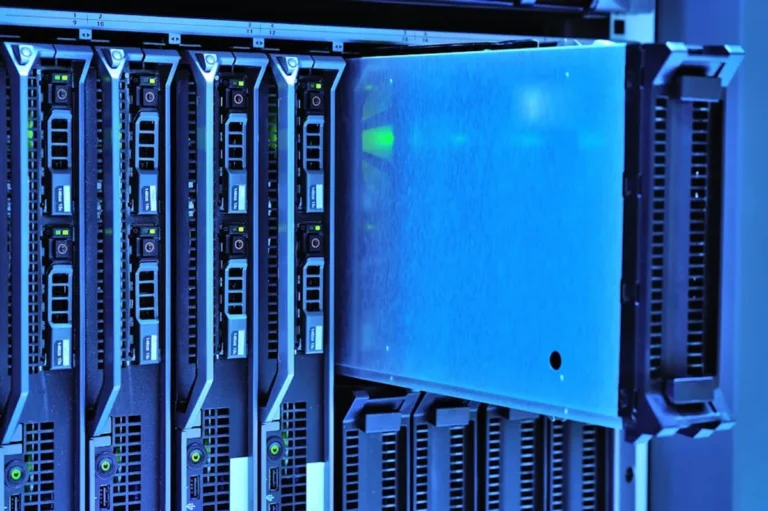
Self-hosting involves deploying and managing your database infrastructure on-premises or within your own data center. This approach grants unparalleled control over every aspect of the database environment, from hardware selection to software configuration.
Upfront Investment and Long-Term Costs
Self-hosting demands significant capital investment in hardware (servers, storage, networking), software licenses, and the physical infrastructure to house them. Beyond initial purchases, ongoing costs include power, cooling, physical security, and the salaries of specialized IT staff required for maintenance and support. While the operational cost model can appear fixed after initial investment, unexpected hardware failures or scaling needs can introduce significant unbudgeted expenses.
Performance and Optimization
With a self-hosted database, you have direct control over the underlying hardware and operating system, allowing for highly specific optimizations. You can select high-performance SSDs, fine-tune network configurations, and optimize database parameters to extract maximum performance for your specific workload. This level of control can be critical for applications with extremely low-latency requirements or highly specialized processing needs that might not be fully met by generalized cloud offerings.
Security Posture and Data Governance
Full control over your database environment means you are solely responsible for its security. This includes physical security of the servers, network segmentation, firewall rules, intrusion detection systems, data encryption, and access controls. This can be advantageous for organizations with stringent security requirements, specific regulatory compliance needs, or strict data sovereignty concerns where data must remain within specific geographical boundaries or physical premises. However, it also means bearing the full burden and cost of maintaining a robust security posture against evolving threats.
Management and Maintenance Burden
Managing a self-hosted database requires a dedicated team of database administrators (DBAs) and system engineers. Their responsibilities include installation, configuration, patching, upgrades, backups, performance tuning, troubleshooting, and ensuring high availability. This can be a substantial operational burden, requiring specialized expertise and continuous effort to keep the database running optimally and securely.
Customization and Vendor Lock-in
Self-hosting provides complete freedom to customize your database environment. You can choose specific operating systems, integrate with proprietary applications, and implement highly specialized configurations that might be restricted or unavailable in a managed cloud service. This approach also mitigates vendor lock-in concerns, as you are not tied to a single cloud provider's ecosystem or pricing model, offering greater flexibility in technology choices.
Key Decision Factors for Your Business
Choosing between cloud and self-hosted databases requires evaluating several critical business and technical factors:
- Budget and Financial Model: Can your organization absorb significant CapEx, or is an OpEx model more suitable for cash flow management? Consider the total cost of ownership (TCO) over several years, including hardware, software, power, cooling, and personnel.
- Technical Expertise and Staffing: Do you have the in-house expertise (DBAs, network engineers, security specialists) to manage and maintain a complex database infrastructure? Or would offloading these tasks to a cloud provider free up resources for core business activities?
- Regulatory Compliance and Data Sovereignty: Are there strict industry regulations or government mandates that dictate where and how your data must be stored and processed? Some organizations require data to reside on-premises or within specific national borders.
- Anticipated Growth and Traffic Patterns: How rapidly do you expect your data volume or user traffic to grow? Cloud databases excel at elastic scaling, while self-hosted solutions require more foresight and upfront investment to accommodate future growth.
- Performance Requirements and Latency: Does your application demand extremely low latency or highly specialized performance tuning that can only be achieved with direct hardware control?
- Risk Tolerance: How critical is uptime and data integrity? While cloud providers offer high availability, some organizations prefer direct control over their disaster recovery plans.
Making the Informed Choice
The optimal database deployment strategy is not static; it evolves with your business needs, technological landscape, and regulatory environment. For startups or businesses prioritizing rapid deployment, scalability, and reduced operational overhead, cloud databases often present a compelling solution. They enable faster iteration and lower initial barriers to entry. Conversely, enterprises with established data centers, specific compliance mandates, deeply customized applications, or a preference for absolute control over their infrastructure may find self-hosting more aligned with their strategic goals. Hybrid approaches, leveraging the cloud for certain workloads while keeping sensitive data on-premises, also offer a balanced path forward. Ultimately, the decision should stem from a thorough assessment of your current and future requirements, financial capabilities, and risk appetite.
Frequently Asked Questions
What is the primary cost difference between cloud and self-hosted databases?
Cloud databases primarily involve operational expenditures (OpEx) with a pay-as-you-go model, reducing upfront costs. Self-hosted databases require significant capital expenditures (CapEx) for hardware and software, plus ongoing operational costs for maintenance and personnel.
Which option typically offers better security?
Cloud providers invest heavily in security infrastructure, often surpassing individual organizations' capabilities, but operate on a shared responsibility model. Self-hosting offers complete control over security, but the entire burden of implementation and maintenance falls on your internal team.
When is self-hosting still preferable over cloud solutions?
Self-hosting is often preferred for applications requiring extreme performance tuning, strict data sovereignty or specific compliance mandates, or when an organization already possesses significant on-premises infrastructure and specialized IT expertise.
Can an organization migrate from a self-hosted database to a cloud database, or vice-versa?
Yes, migration between self-hosted and cloud databases is common. Cloud providers offer tools and services to facilitate moving data into their platforms, and open-source databases support migration in either direction. This process requires careful planning for data integrity, downtime, and compatibility.